At last – Corsica. After Tinos and the Cycladic wind, I arrived on an island I had been told can be unpredictable. Wild. Proud. Elusive.
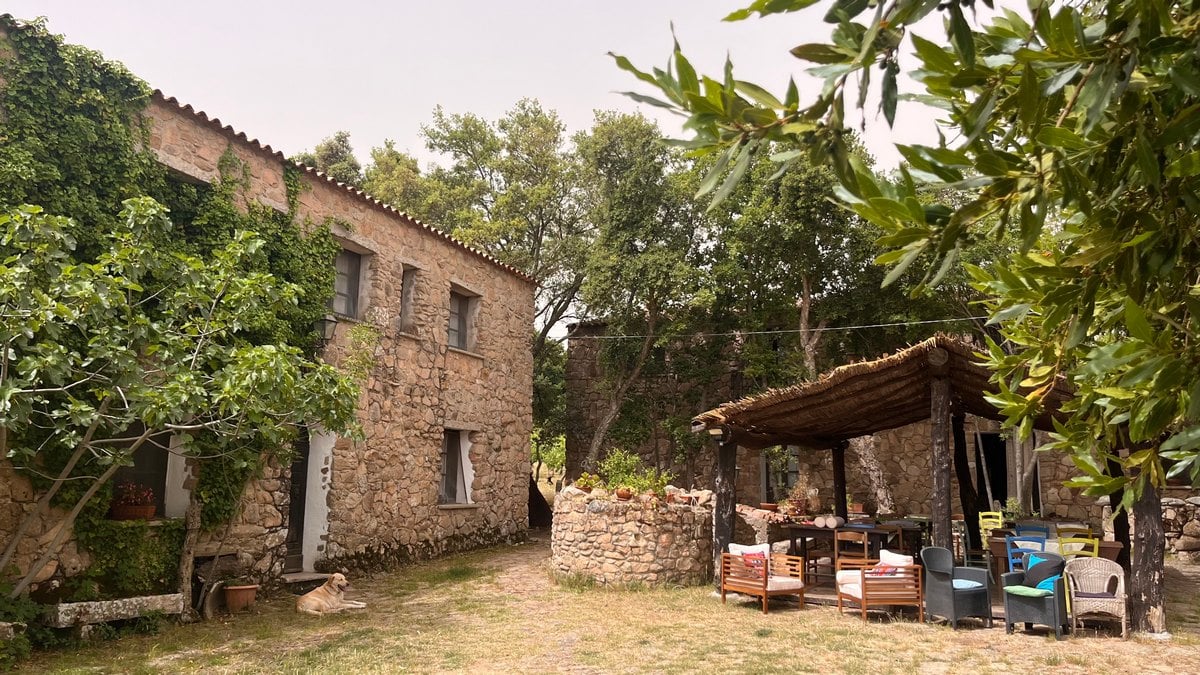
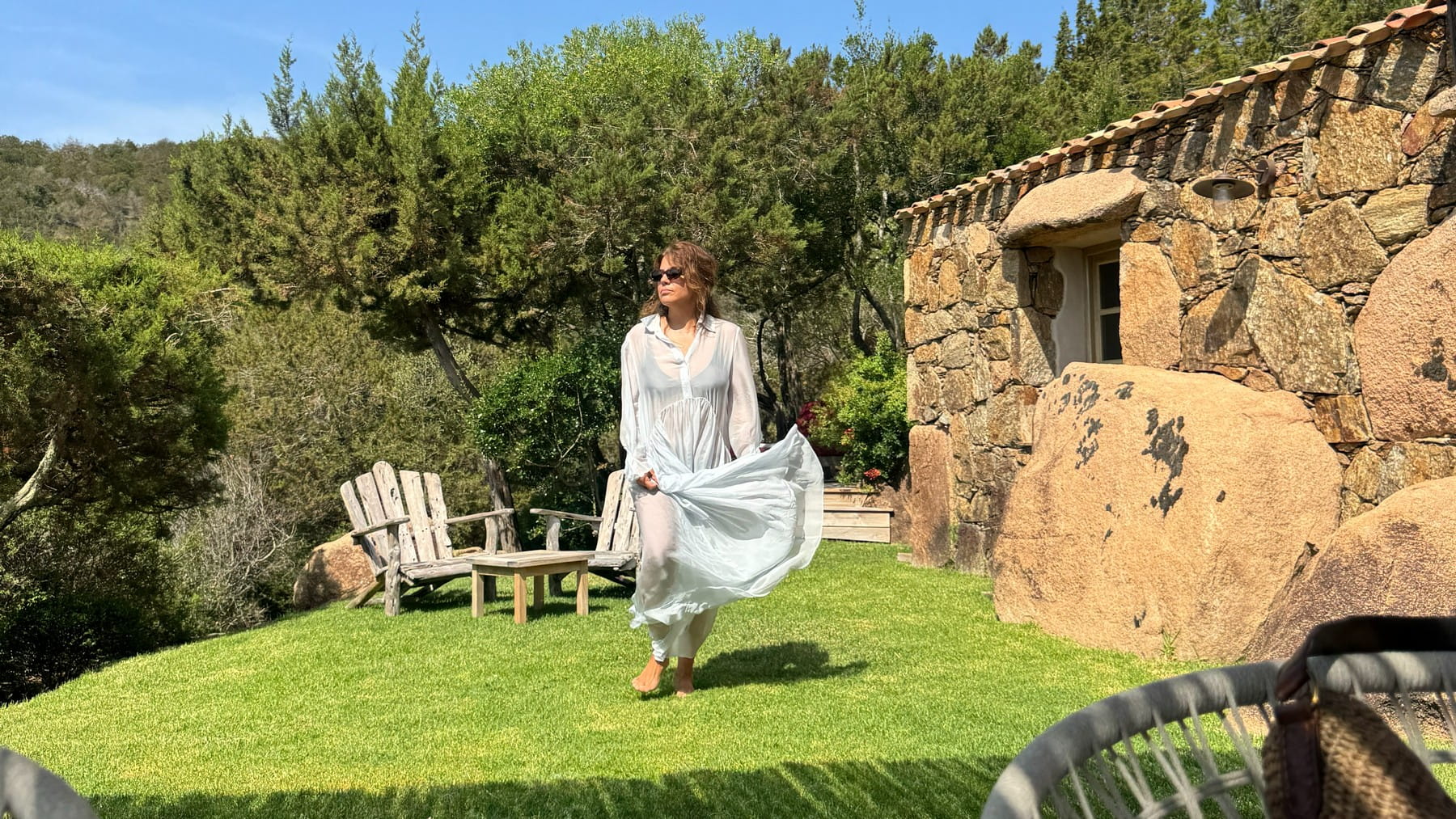
My little stone house is in the village of Sotta, tucked away in the woods and surrounded by mountains. It promises me a good night’s sleep, for there is nothing around but scrubland in pastel colours, butterflies and cicadas that only pause when the wind blows or a shower falls from a low-hanging cloud.
To get to know the real Corsica, I set off from the south and venture deep into the island’s interior, discovering the villages of Sartène, Zonza, Figari, Lecce, and Sotta.
The medieval hilltop villages are not just romantic scenes like those in the oil paintings of old masters. They were created out of a need for protection from attacks at sea. This is one of the paradoxes of this island: for centuries, its people feared the sea and lived high in the mountains. The sea meant the danger of pirates, constant invasions, or malaria.
Maquis – the heart of Corsica
The most important word that dominates Corsica is Maquis.
The Maquis is not just vegetation, but a symbol of the island. It is a wild, dense, almost impenetrable Mediterranean scrubland that fills the air with the scents of rosemary, sage, immortelle, myrtle, juniper, cork oak and sunflower.
It is so dense that a person can disappear within it.
In Corsica, this word carries a strong cultural and historical meaning. It is also the wilderness in which you can hide.
There was an expression, “to go into the maquis”, which meant to flee from the authorities’ sight, to take refuge from revenge, to escape from conquerors or to preserve freedom.
Only when I understood what the maquis means to the Corsicans did I realise why the places I stayed in were built to make me feel sheltered, isolated and, finally, private.
My discoveries – hotels and houses in the maquis
Domaine Les Oliviers de Palombaggia
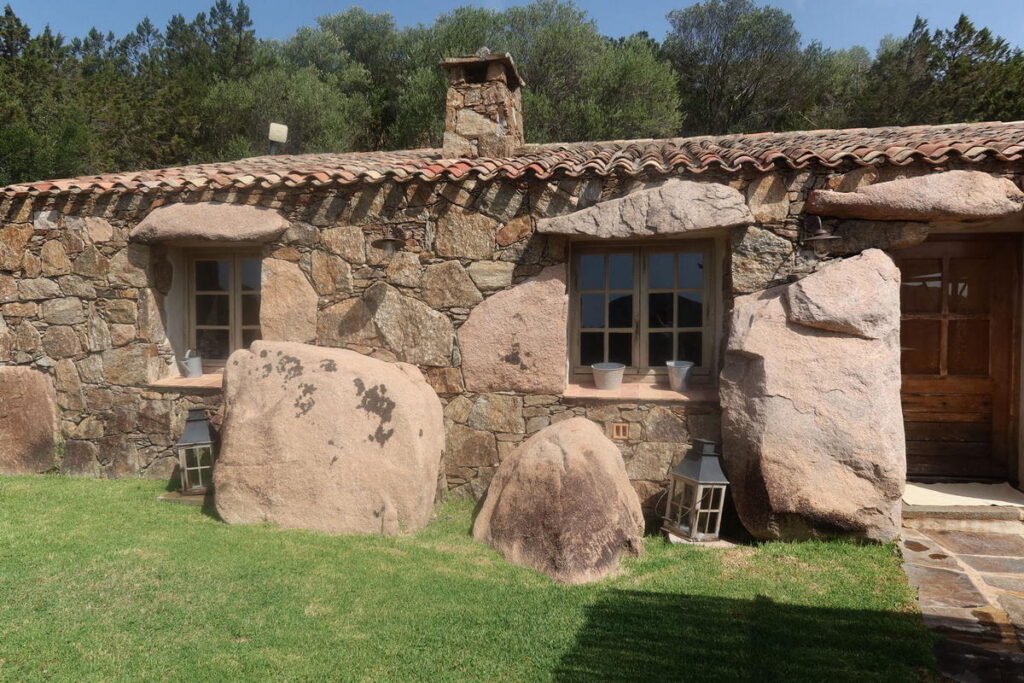
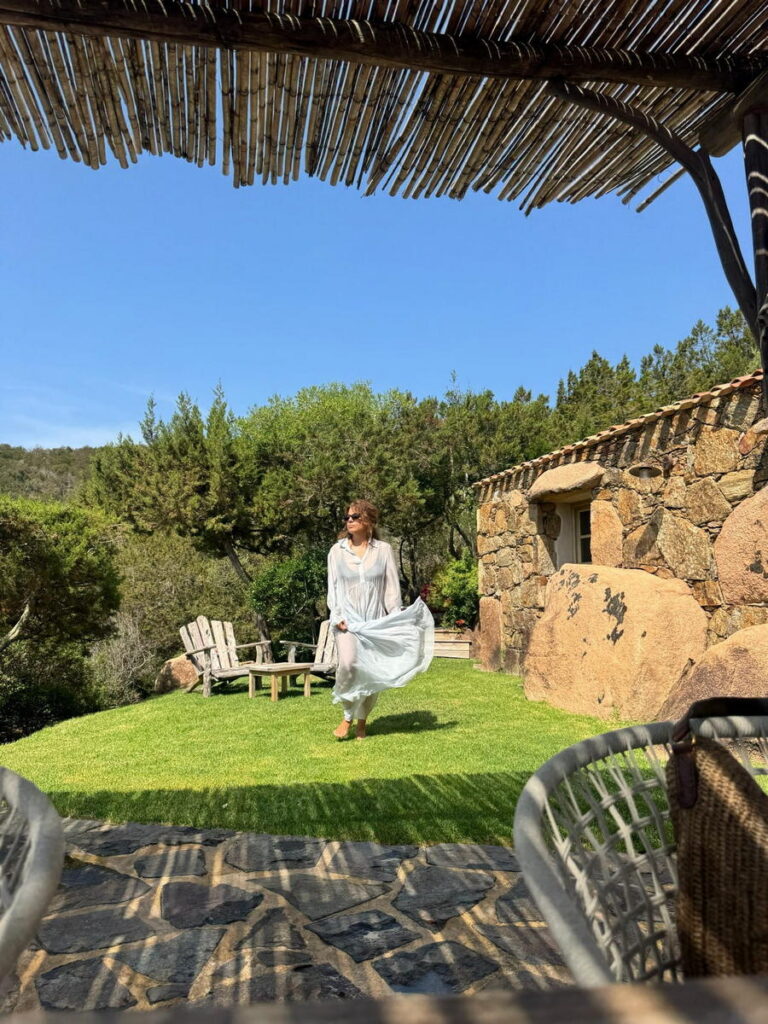
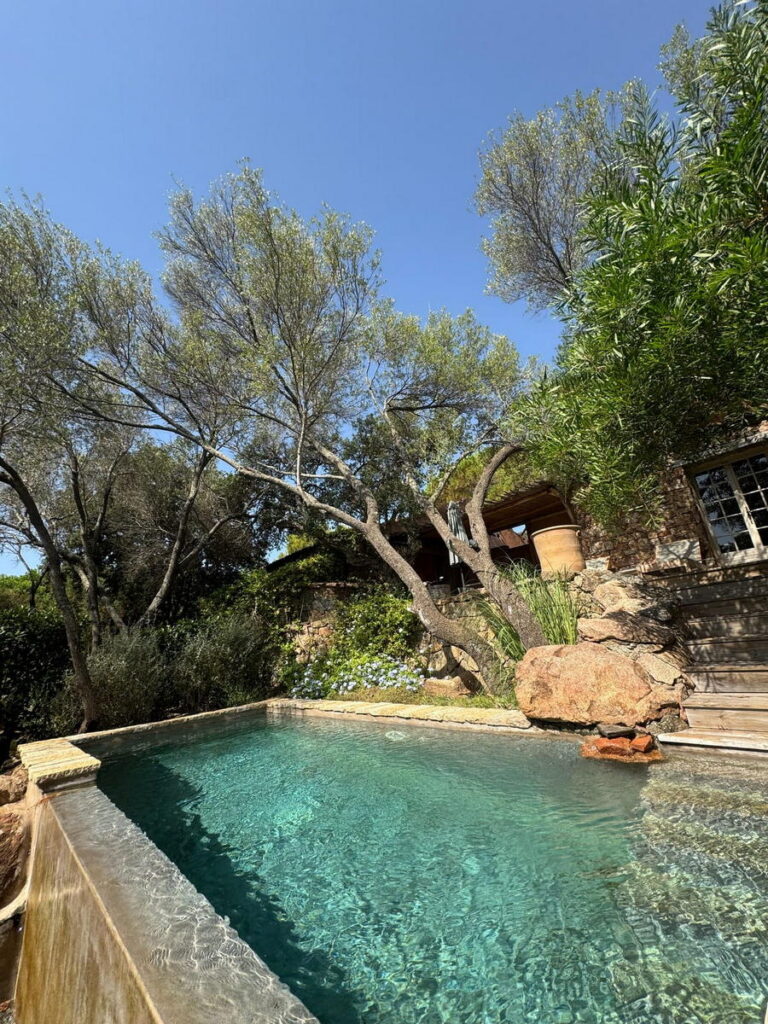
In the south of Corsica, near Porto-Vecchio and the famous beaches of Palombaggia, is a luxury hotel with a concept of complete isolation. The houses on the large estate are small, stone “maquis” cottages where you hide from the onslaught of the present moment. The phone showed SOS, as there was no signal. You see no one and hear nothing but nature. Any attempt to do anything was doomed from the start. Long live boredom! ‘Joie de vivre’ hums from every bush here.
Domaine Le Mouflon D’Or
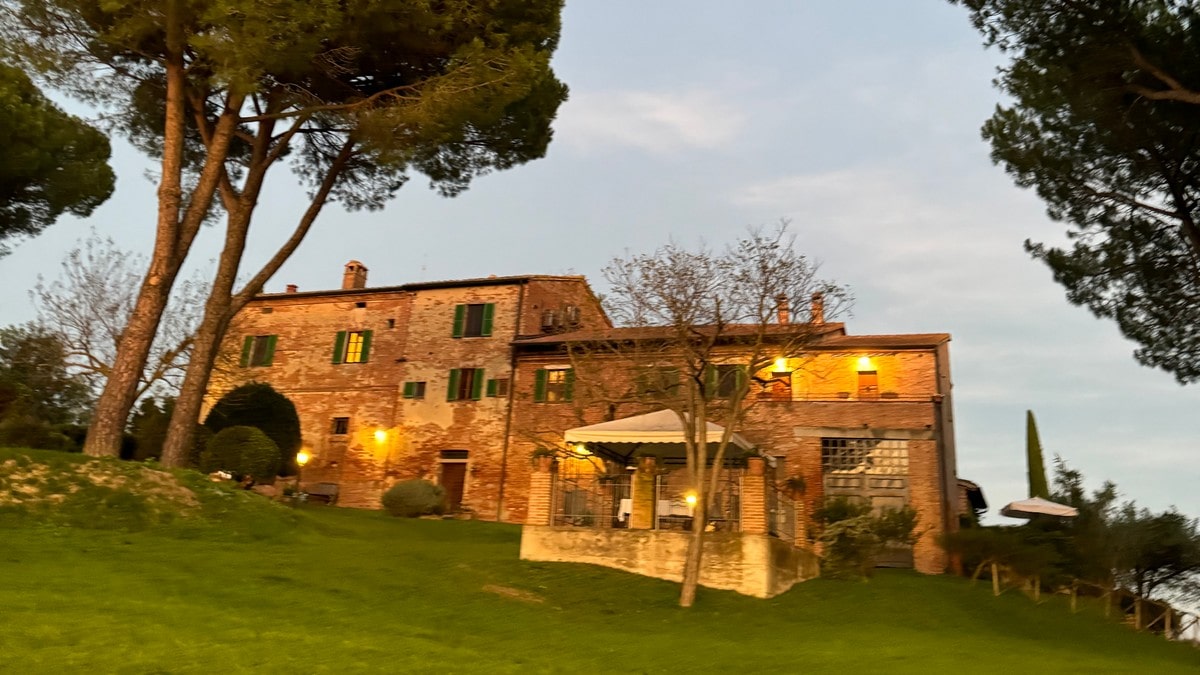
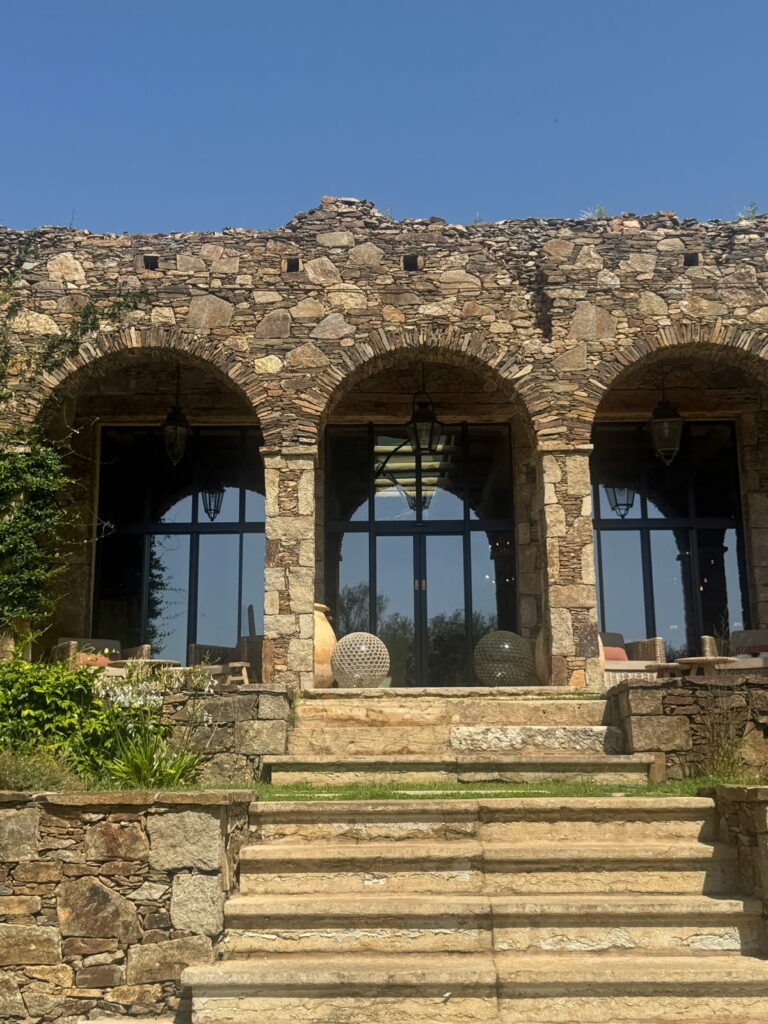
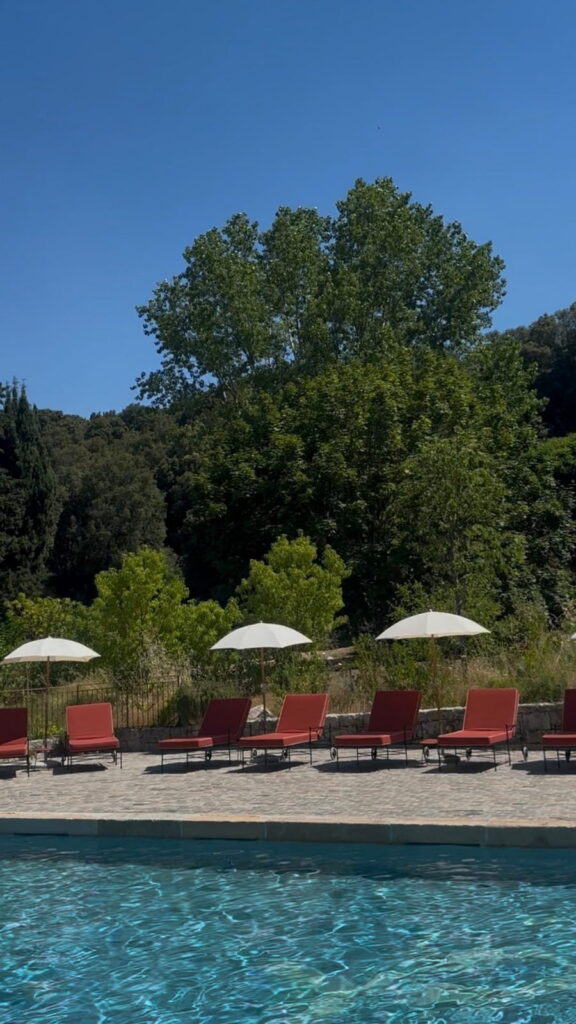
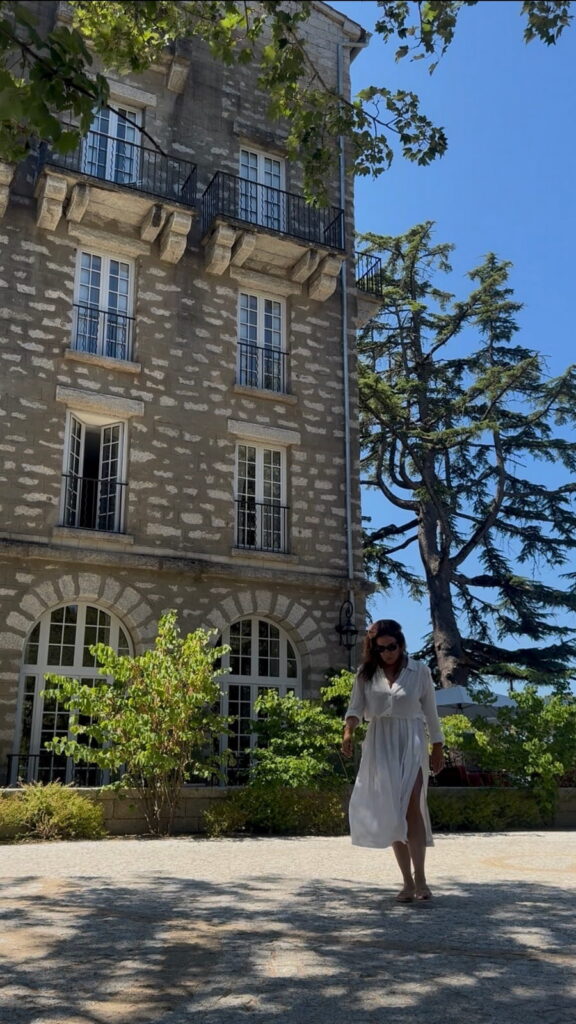
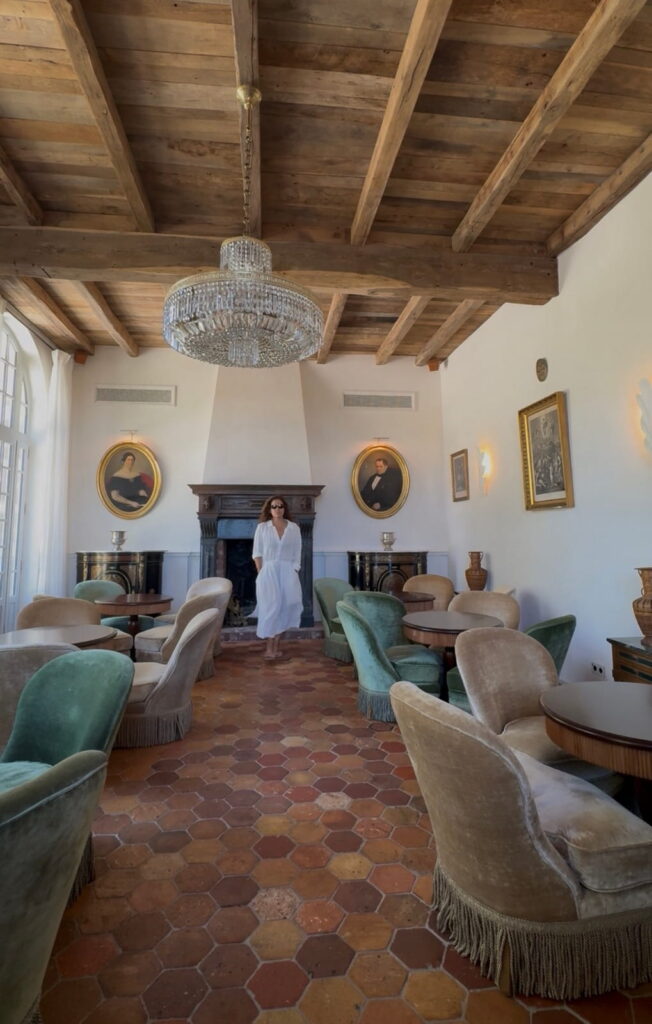
In the Alta Rocca mountain region, in the village of Zonza, lies a place that feels more like an old Corsican residence than a classic luxury hotel. Surrounded by centuries-old chestnut trees and Lebanese cedars, with a view towards the dramatic Bavella peaks, this place is the perfect introduction to “mountain Corsica”. The historic Belle Époque building has been carefully restored, retaining the granite, old fireplaces and the atmosphere of a bygone era. The owners call this concept understated luxury.
At Mulinu Casanelli
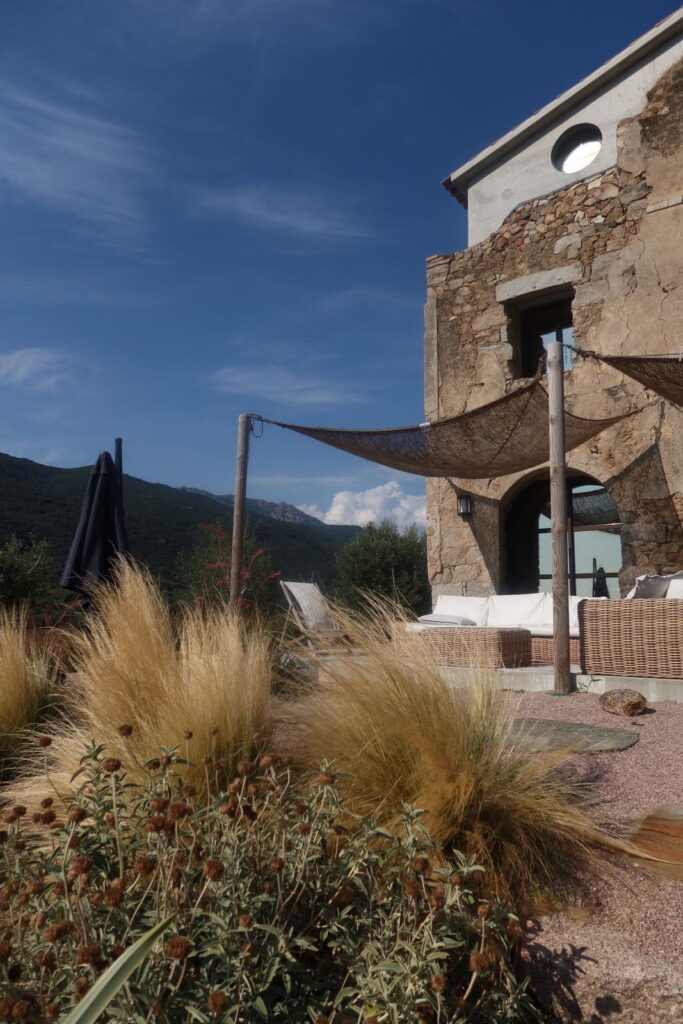
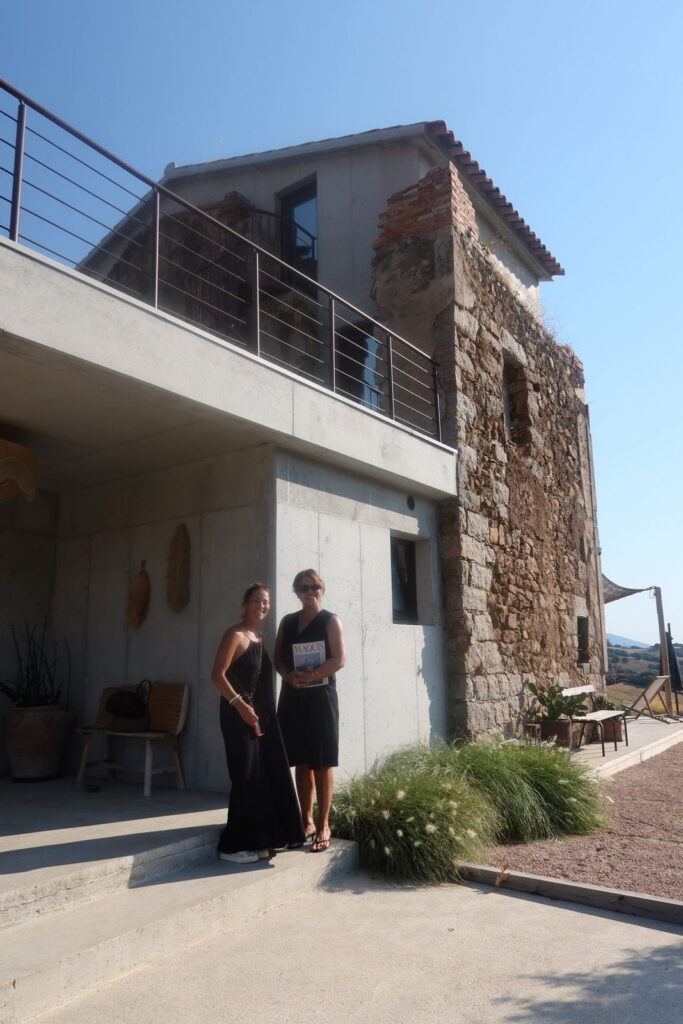
And this is an interesting story. The couple, Angélique and Frédéric, fell in love with an abandoned farmhouse that had been falling into disrepair for almost seventy years. Instead of demolishing it, they decided to restore it, retaining the stone walls and historic character, but adding contemporary elements of concrete, wood and and glass.
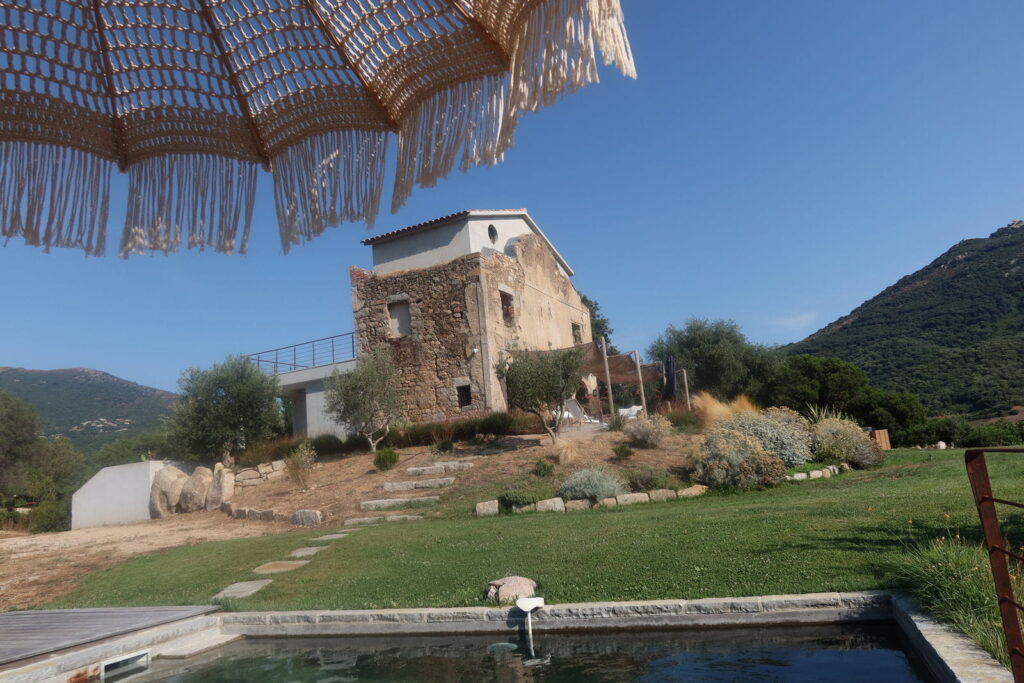
Today, the house is an example of how Corsican heritage can be preserved without imitating the past. Overlooking the Gulf of Valinco and surrounded by maquis, perched alone on a hilltop, this house speaks four languages, including those of the chickens and cows on the neighbouring farm.
Hameau de Petripini
My Corsican holiday home for all seasons. Inspired by traditional Corsican hamlets, this place combines stone, light and the scents of the maquis. Another escape from the crowds and people. No neighbours to hear. No reception and its necessary conversations. No need to change location at all.
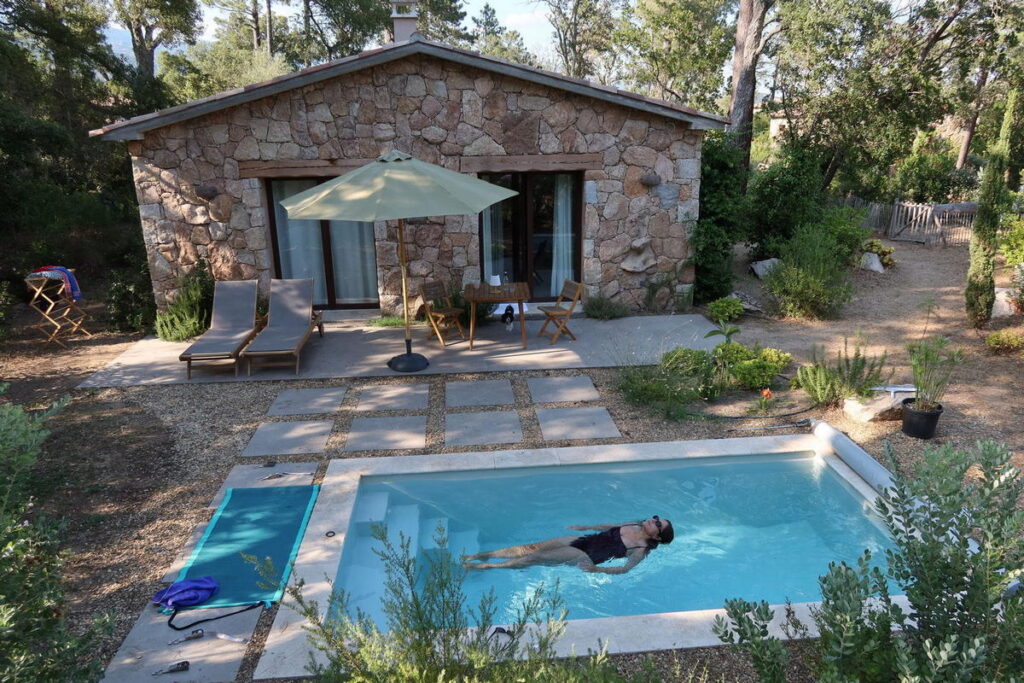
I will be left with the images of sunrises and sunsets, and the company of ants, bees and the various insects I have suddenly grown fond of this summer.