“Imagine what kind of conversational partner a house would be. More honest than any written letter and this, what I’m telling you about. Houses have remembered everything that humans haven’t, they’ve felt and heard what could not be heard by men. They have observed events from impossible perspectives. I’m trying to read what’s carved into their walls, weathered wood, broken windows, scattered things. Fragments are everywhere, one just needs to put the story together.”
Magdalena Blažević, Harvest season
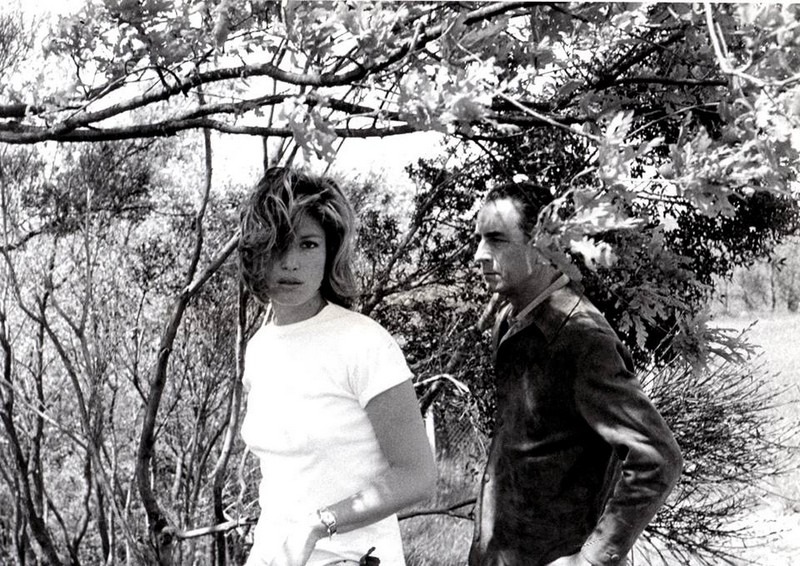
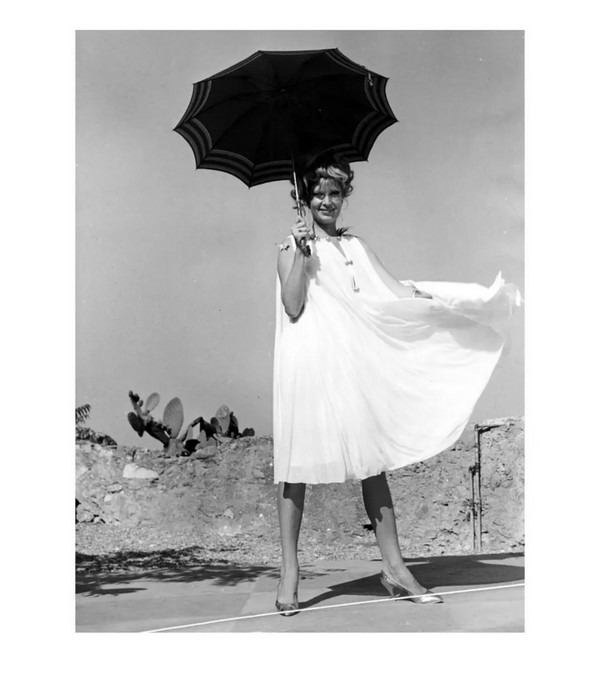
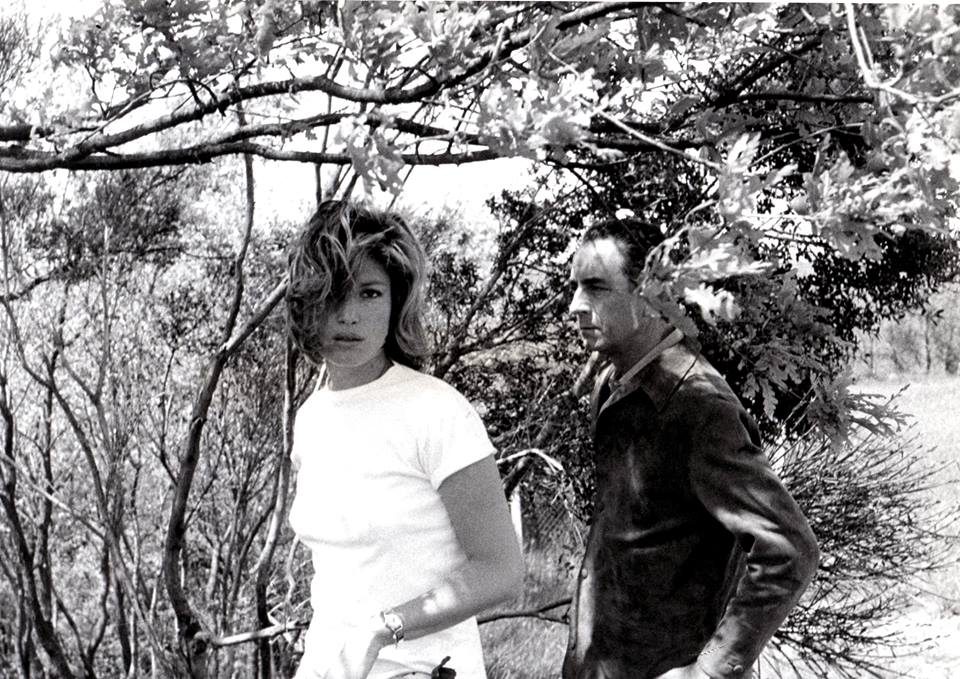
For months, preparations for a trip to Sardinia have been “painted with black and white scenes” in which Monica Vitti lives, between fiction and reality, just like the characters she plays with Antonioni (L’Avventura”, “La Notte”, “L’Eclisse” and “Red Dessert”).
Monica has always been a woman I had to get to know better, through my research, I had to follow her gaze into the desert on the far horizon.
Then she herself decided to help me. She gave me the keys to her house in the Costa Paradiso Bay, and let me dream about her with many details from lives that are still present in the house today. Because houses keep secrets…
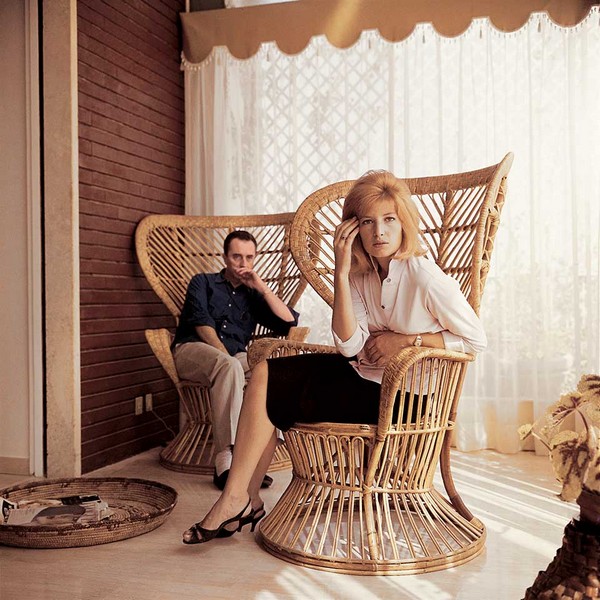
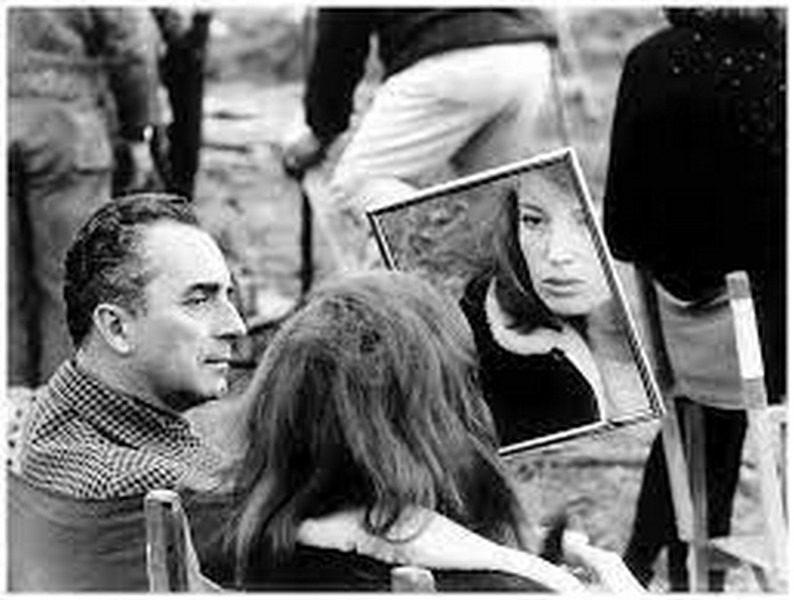
It was the early sixties when Michelangelo Antonioni and his partner Monica Vitti arrived in Sardinia. Famous director chose this island to film a couple of scenes from the movie Red Desert, in which he chose his beloved muse with a husky voice as the protagonist. In the film, reality breaks for a moment, turning into a fairy tale of unexpected colors, set on the pink beach, the famous Budelli in Sardinia.
Michelangelo wanted their intimate movie to never end and he wanted them to stay there. To create a place for just the two of them, where night, eclipse and adventure could continue for decades.
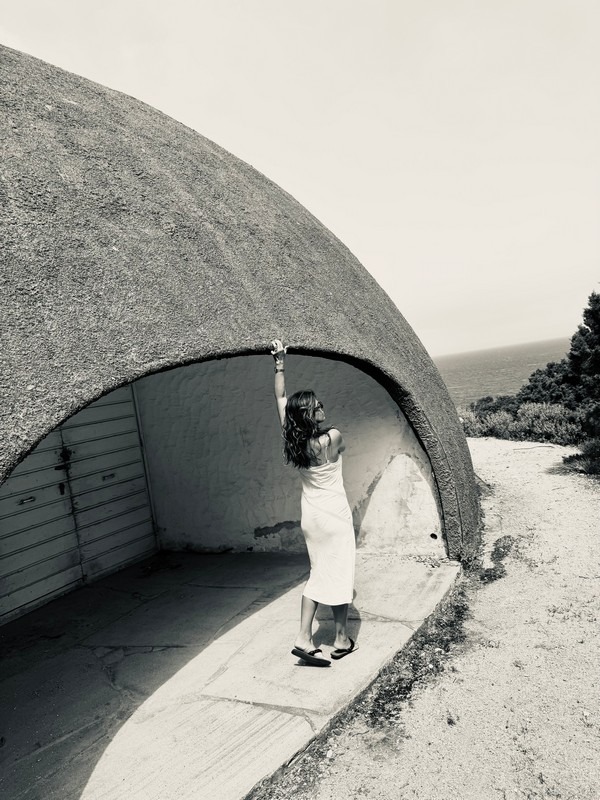
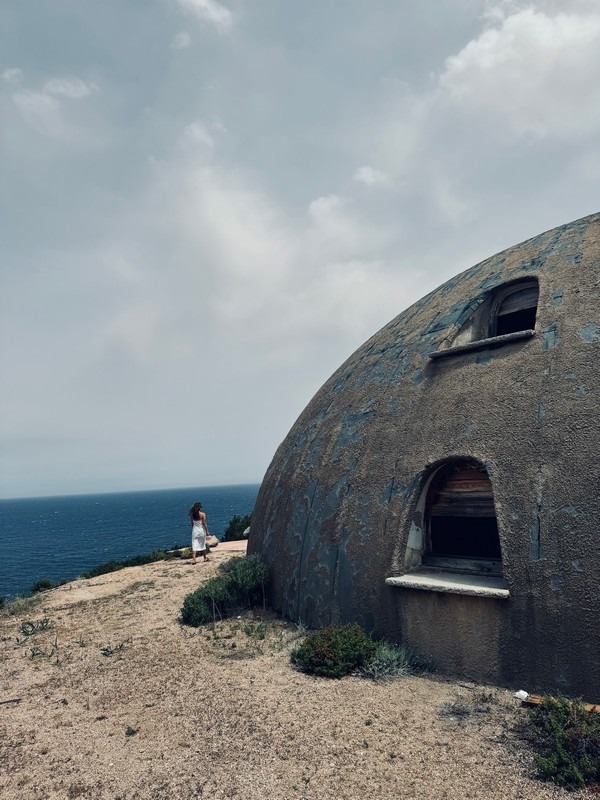
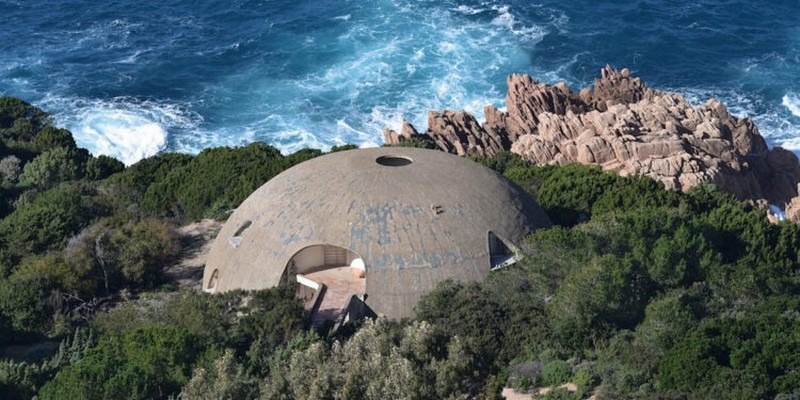
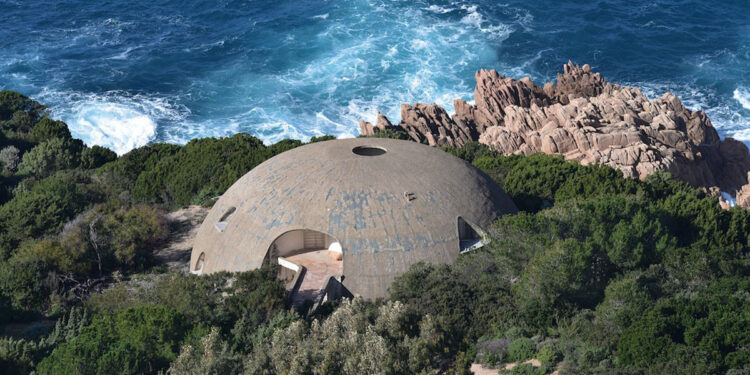
Thus, in 1971, the idea of a refuge was born, not a two-dimensional house, but a “spatial sculpture” in which a film can be shot. The main creator, in addition to the director, was the architect, Dante Bini. The house has been studied as a model in universities and has been rebuilt in more than 1,500 versions in 23 countries.
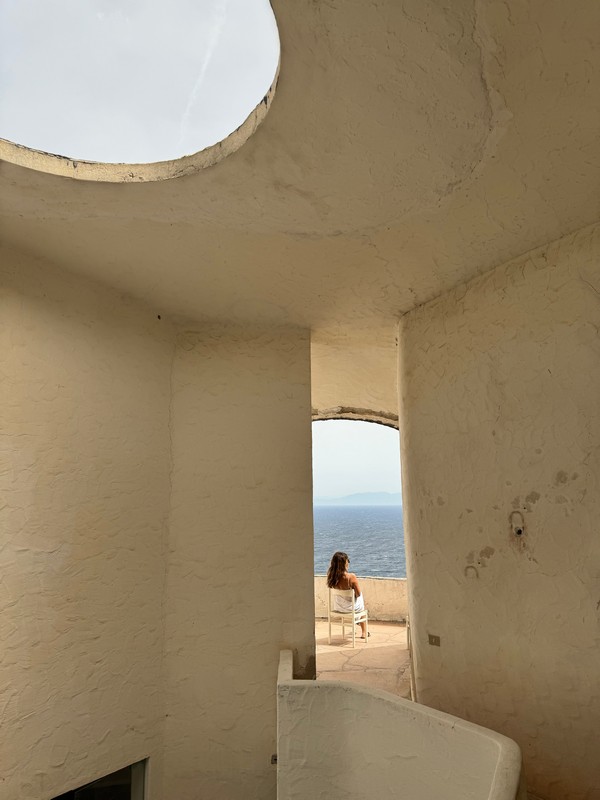
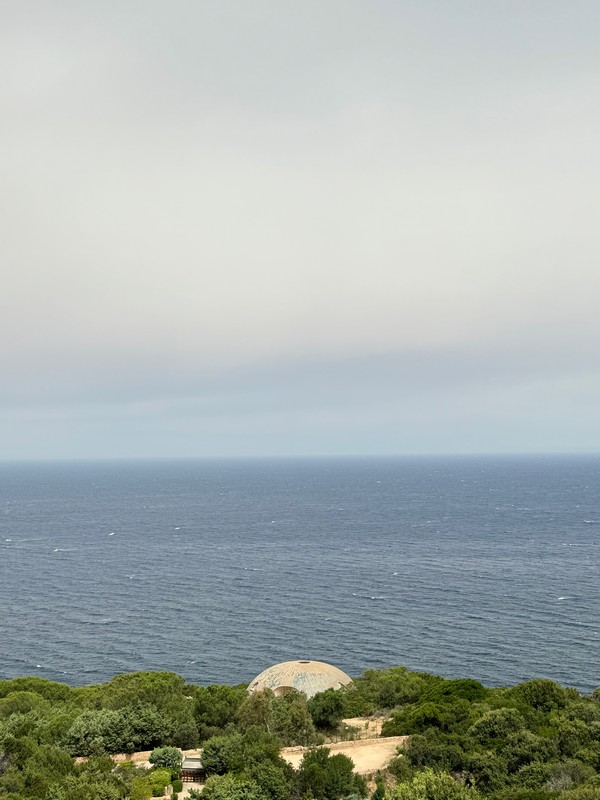
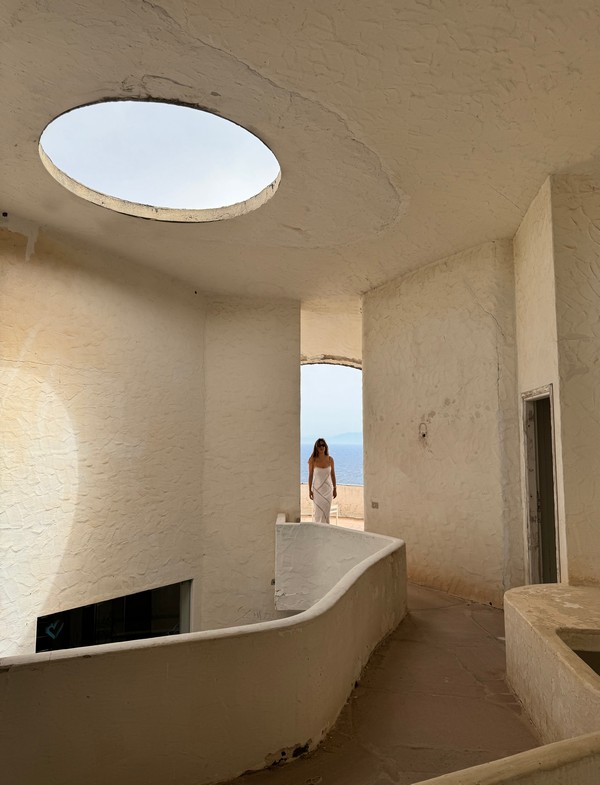
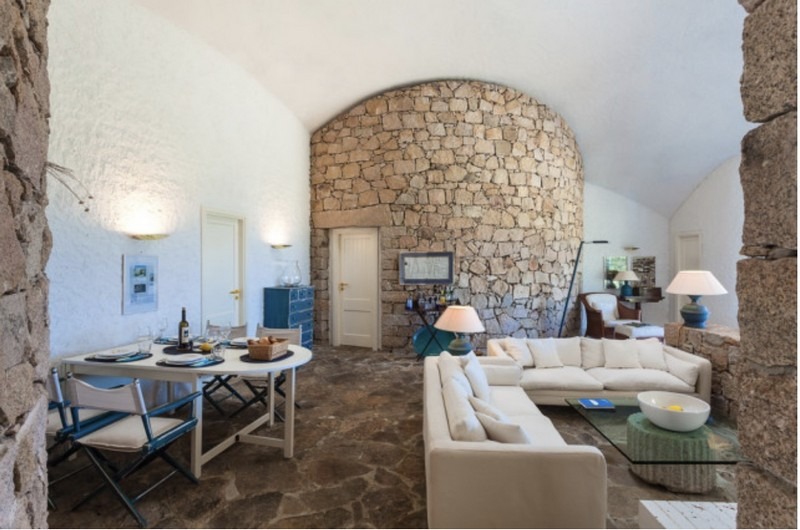
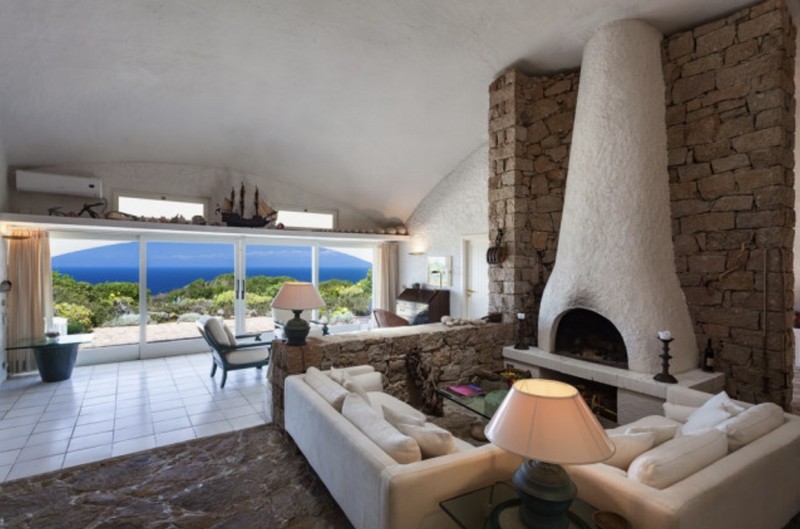
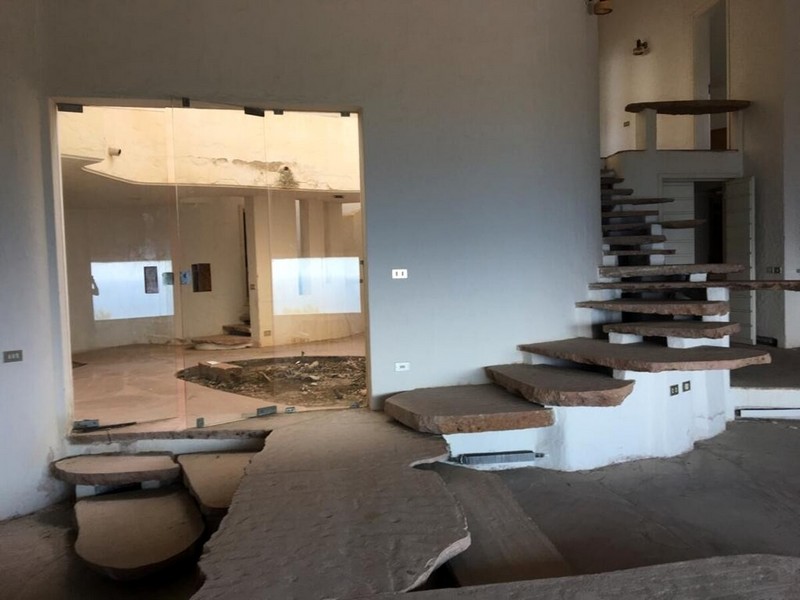
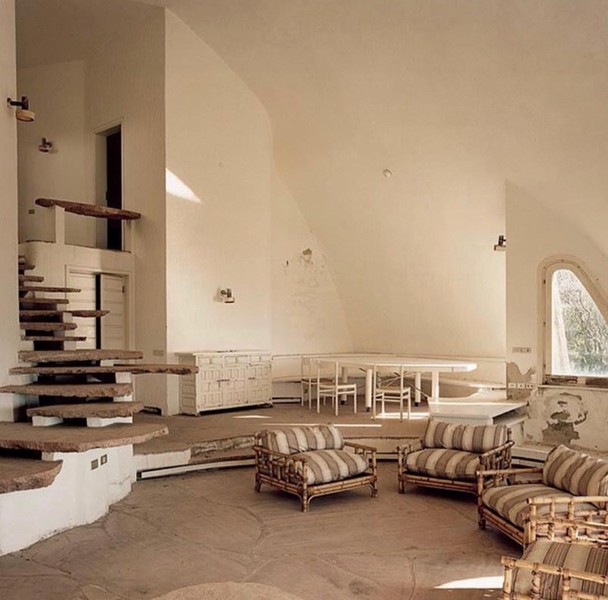
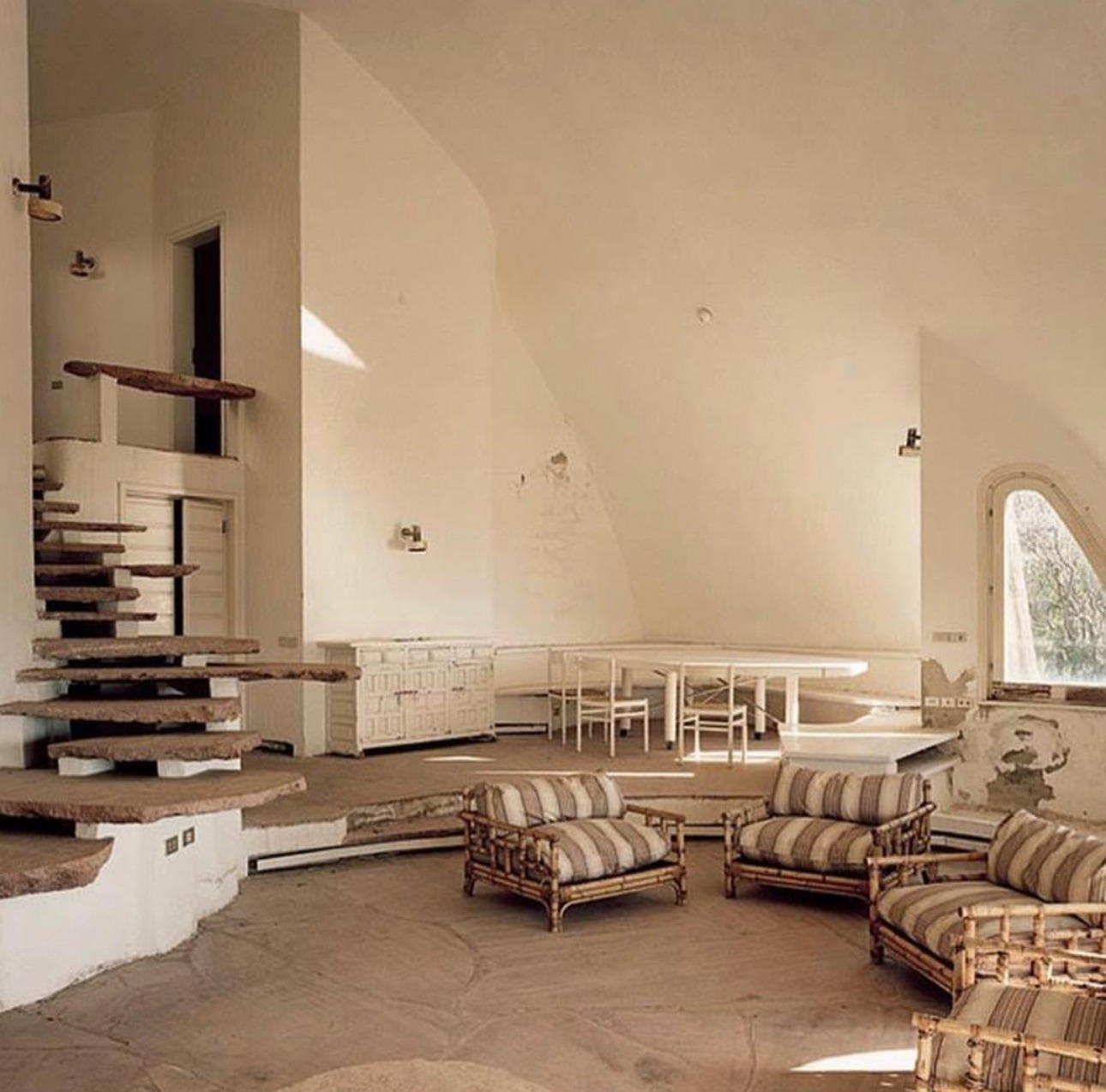
“La Coupola” emerges from nature: bathed in the sun and pierced by the sky, interspersed with wind and rain in a green courtyard, surrounded by the smell of Gallura and the sound of the sea. It is not an introverted shell, but a shell that reverberated with sounds and sensations, in which separate spaces (five rooms and four bathrooms) were connected by a staircase of irregular granite blocks that meandered up to the living room.
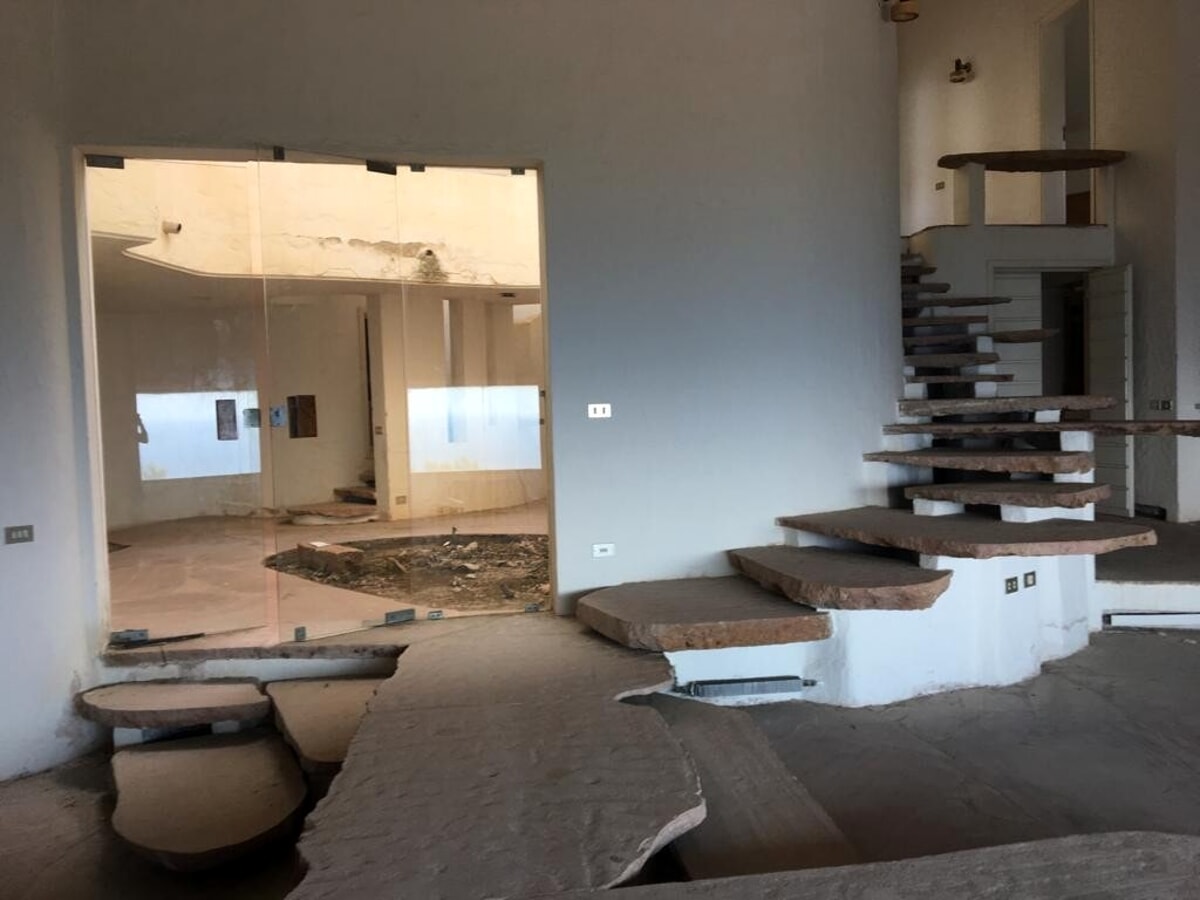
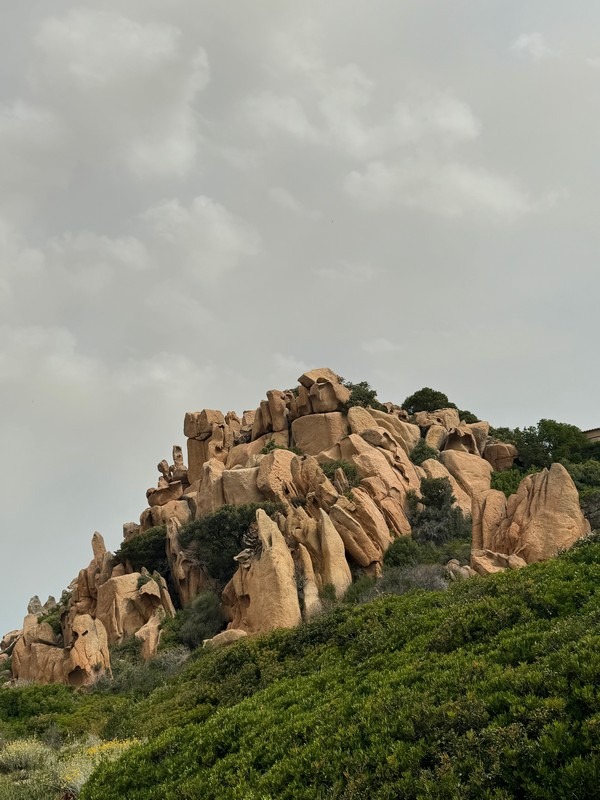
The view bursts from a rocky hill: a perfect dome, grey weathered concrete and granite connected by a bridge with an eroded staircase. The day was warm and clear, the interior dilapidated and stifling. Some rooms still have pieces of dusty Italian furniture from the 60s.
I wander around the main room. I can easily imagine Monica carefully, cinematically, walking barefoot down the staircase without a bannister that Antonioni had built in order to create a perfect scene for her.
She was ironically called the “muse of incommunicability” thanks to her roles in Antonioni’s films. His alter ego in a radical quartet of experimental narratives exploring existential alienation.
Who was Monica?
Strange, unfathomable, distant from most of the world. Unsure of her appearance like any young actress, until the moment the nature of her character won. Witty and resourceful in every conversation she agreed to.
Then again, who was Monica in the period when she used to come to Sardinia, what was she thinking about while some of Mina’s chansons about transience were playing on the radio?
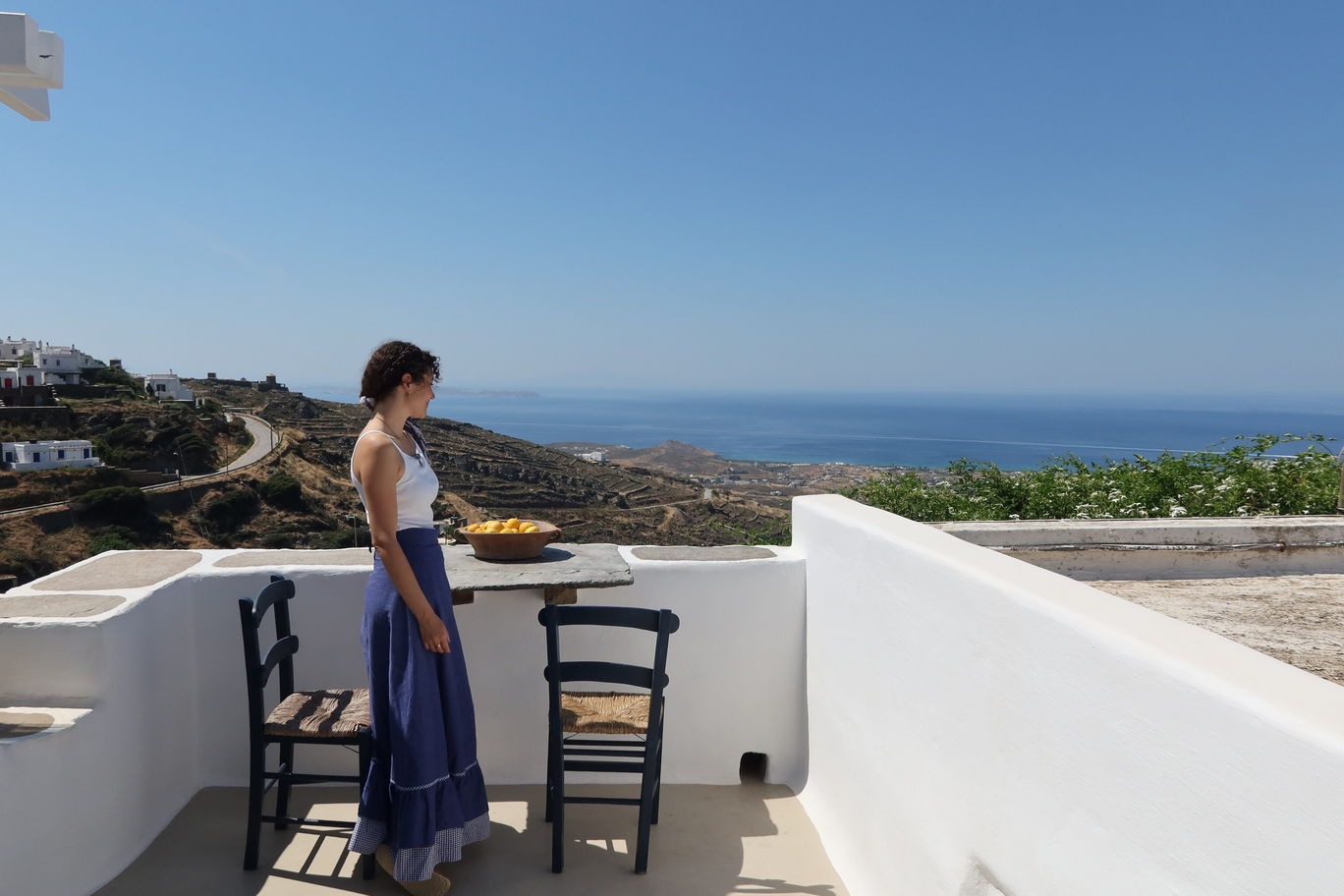
There’s a novel left on the table in the living room. I take it and go to the roof terrace and look as far as the eye can see…
Maybe it’s time to close my eyes and forget everything I know about her. Maybe I should keep her as she was, as if I knew her and as if we were sitting together on this terrace talking about meaning in silence…