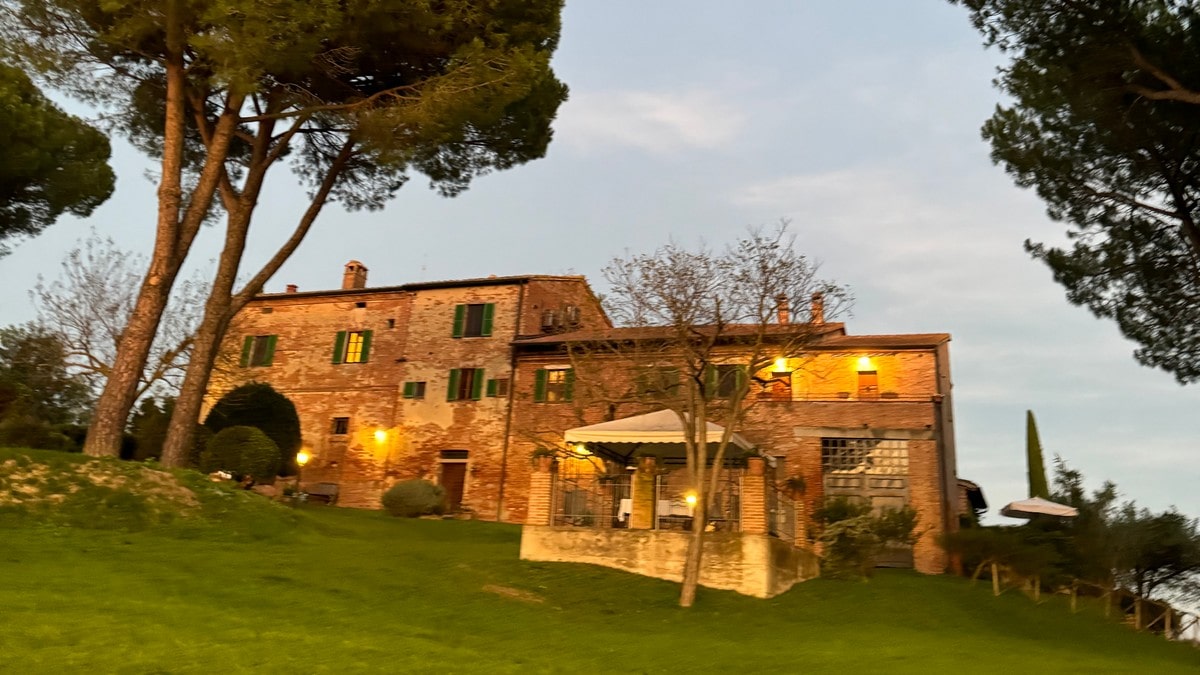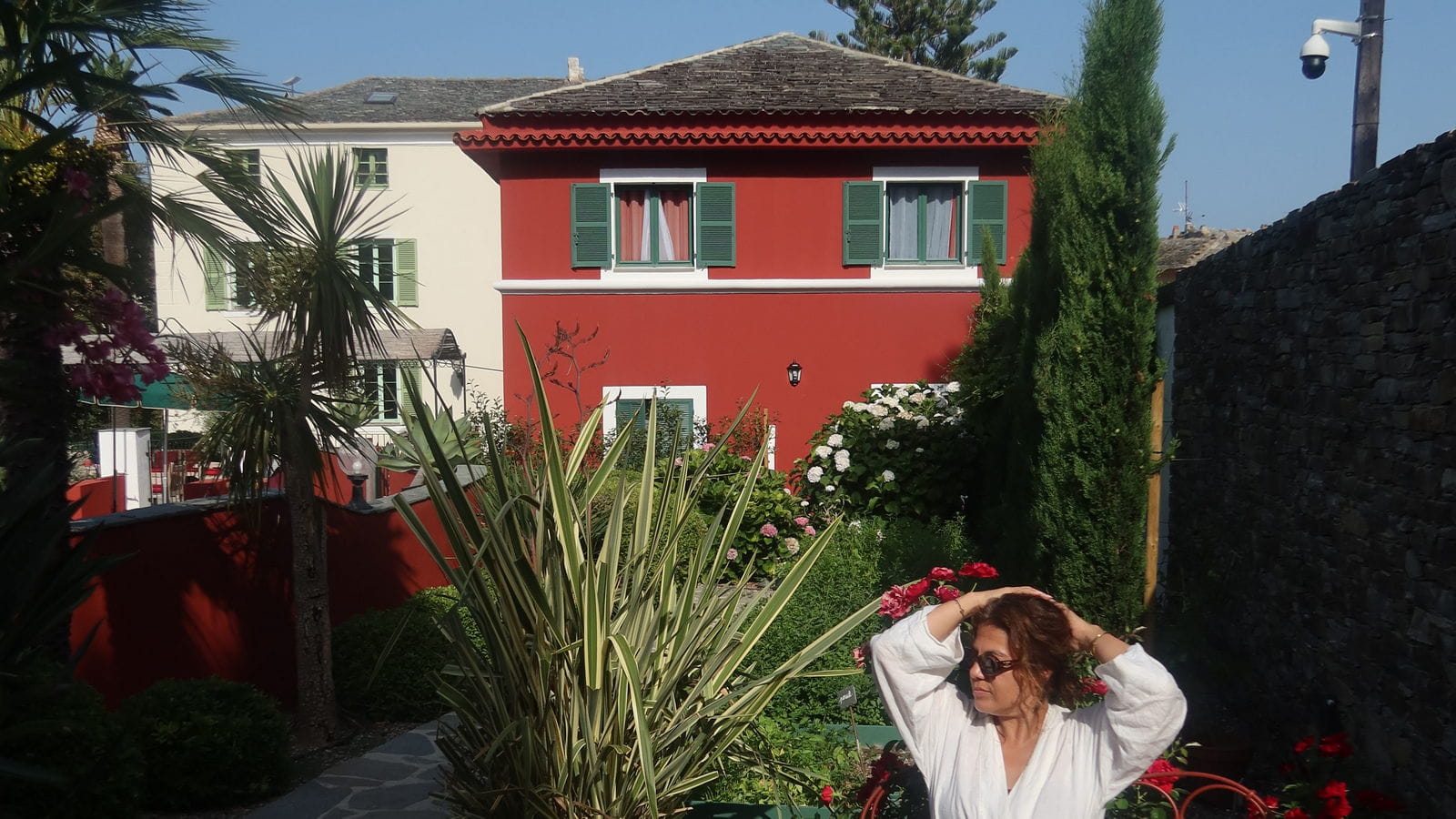
Sardinia reminds me of handmade jewellery made of precious stones skillfully made by masters of crafts passed down through the centuries. This island is unique for its specific local way of life which is proudly preserved.
If you want to live a long life, you should go to the mountains, not far from the sea, and drink a lot of red wine, at least that’s what the longest-lived people in the world say. You can see them taking a leisurely walk in nature or sitting in a restaurant, chatting with friends over the catch of the day and a bottle of Cabernet Sauvignon.
Before leaving for Sardinia, I got a couple of books and dived deep:
Grazia Deleda, an Italian writer from Sardinia, won the Nobel Prize for a novel inspired by a legend from the village of Lollove, where a total of 20 inhabitants lived. It was said that the nuns were secretly seeing shepherds from that area and that after they were punished and exiled, they cast a curse that came true: the village remained “sealed” and never recovered.
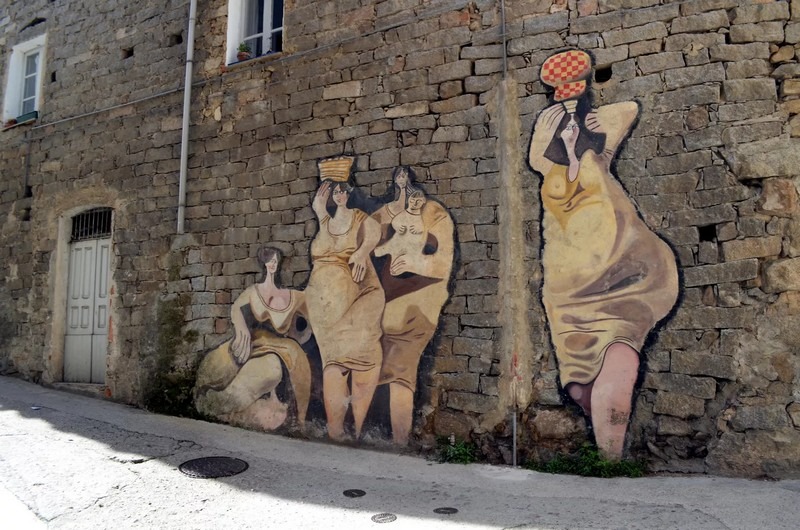
After the legends and mysteries from the mountain rural villages, we go to the tavern. Spicy details from the region are always found there. Instead of stories about people and customs, I received densely woven material on the topic of food and family. These are two serious pillars of their society. And they stick together, they flow into each other.
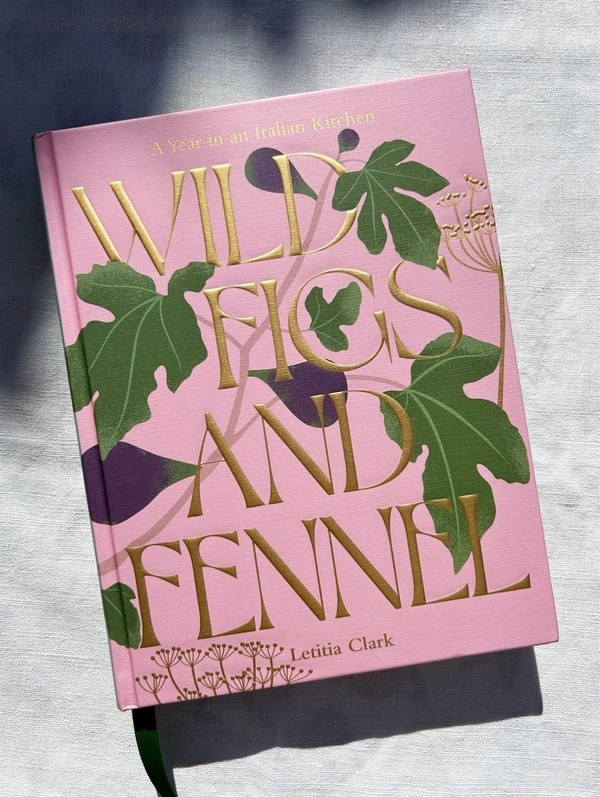
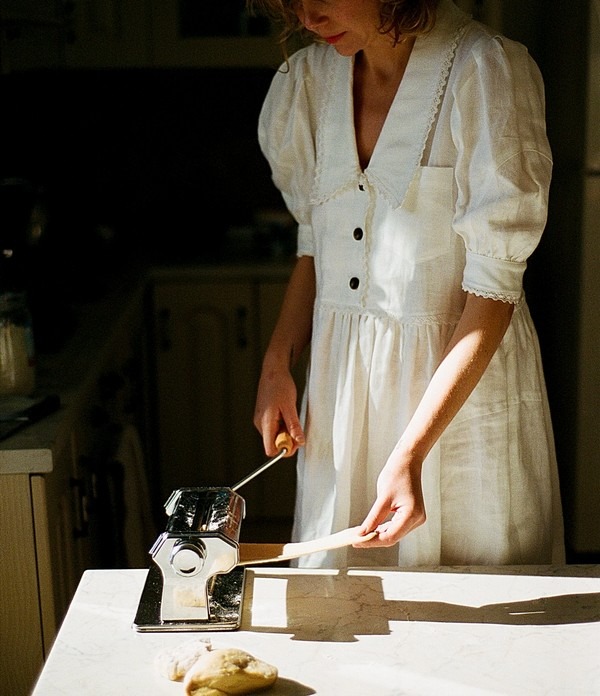
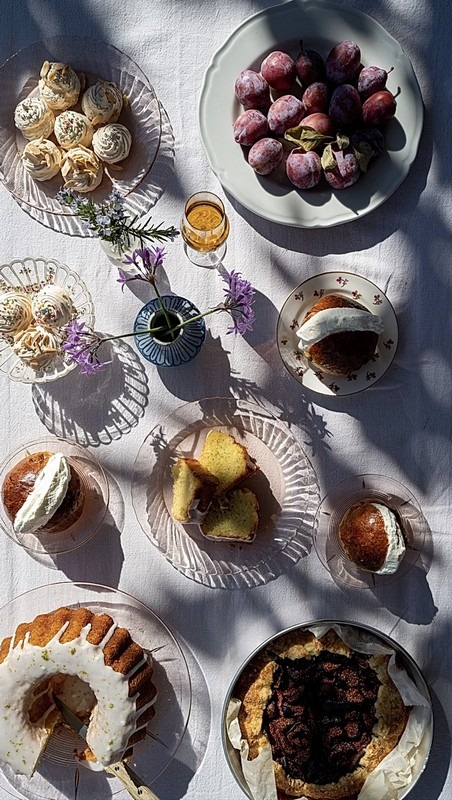
A big inspiration for me was Letitia Clarks, an Englishwoman who has been living in Sardinia for 6 years. She is seriously into discovering Sardinia, writing books and cooking. Every page of her book “Wild figs and fennel” is like a blurry shot in pastel colors from a movie, poetry or a woman’s voice humming from an old radio. Letitia knows the secrets of the art of living and she captures every moment from nature as inspiration in her kitchen. That’s how her recipes are born. Sweet and salty prosciutto, pasta made from locally produced flour that shines like the sun or lasagna that has just come out of the oven and its crust crackles like bubbles from Prosecco.
Sardinia is something special. It is a kind of concentrated Italy, where traditional values have really managed to be preserved and lived with passion.
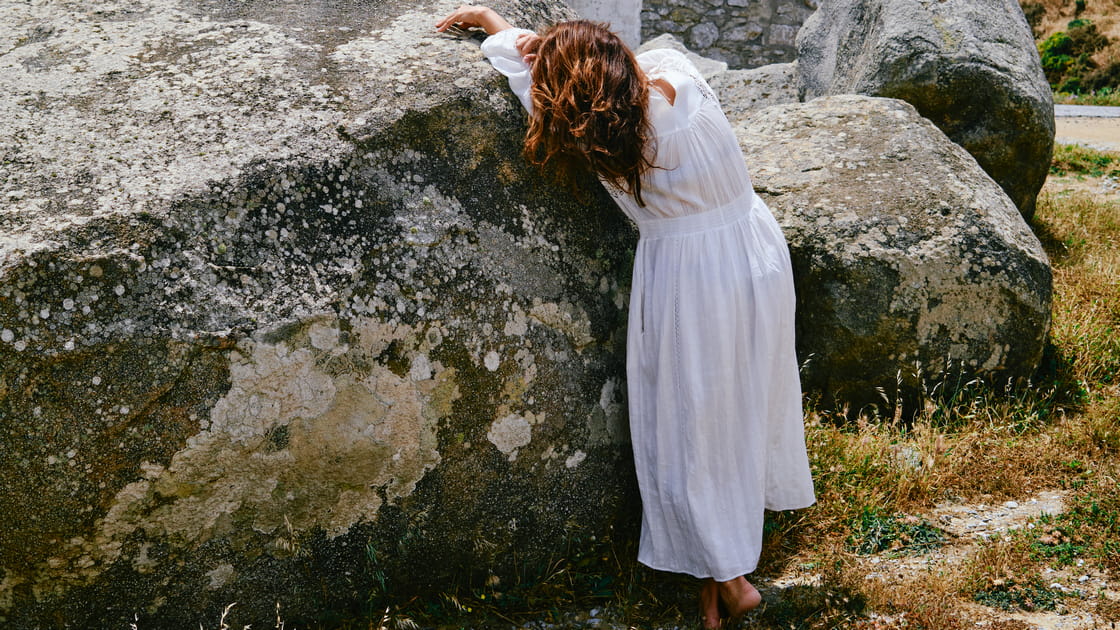
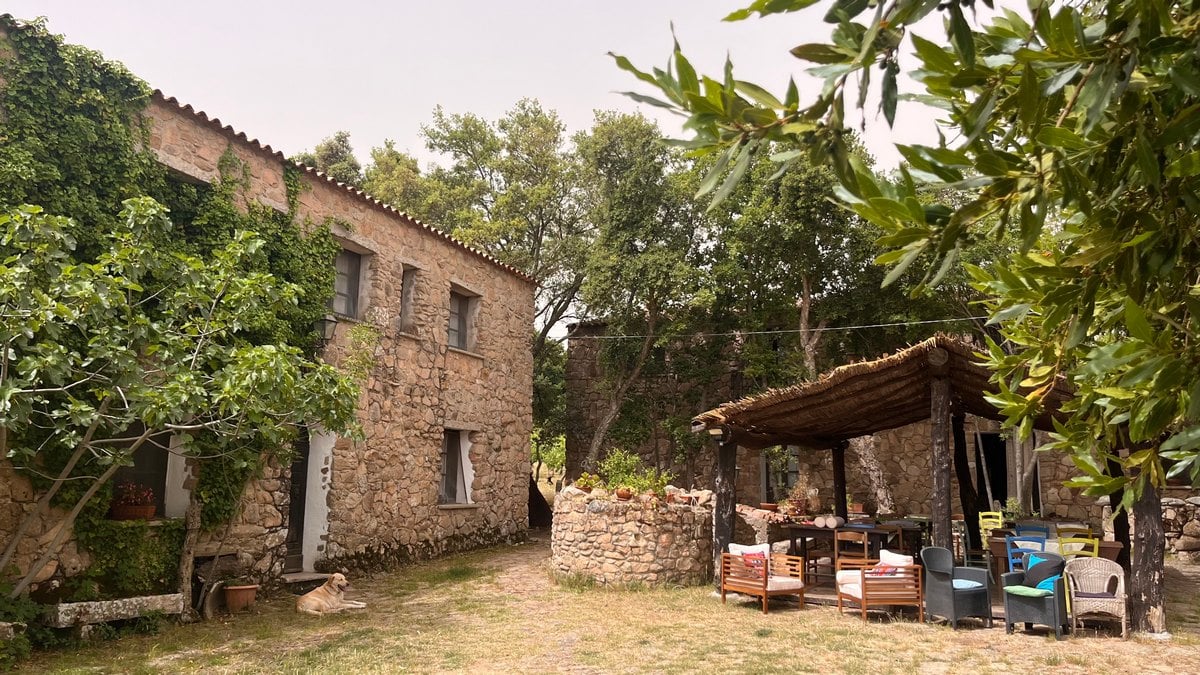
We are heading to the mountains to meet the designer and owner of the family agritourism Il Muto di Gallura. Her name is Catalina Serra (Sardinia was under the Spanish crown for a long time, so many families have Spanish origins, first and last names). We were greeted by local dogs, sleepy but curious. I felt a bit dizzy, as if I was in a cloud, high in the hills surrounded by rocks and oversized stones that have been lying for centuries in the forest among conifers.
Catalina is a young girl full of talents. She loves her heritage and she learned everything from her grandmother and aunt. How to weave carpets and bags on an old loom, how to make pasta, gnocchi, ravioli, cakes, bread. She runs the family business, agritourism with apartments and a restaurant where organic food from their farm is prepared in a traditional way.
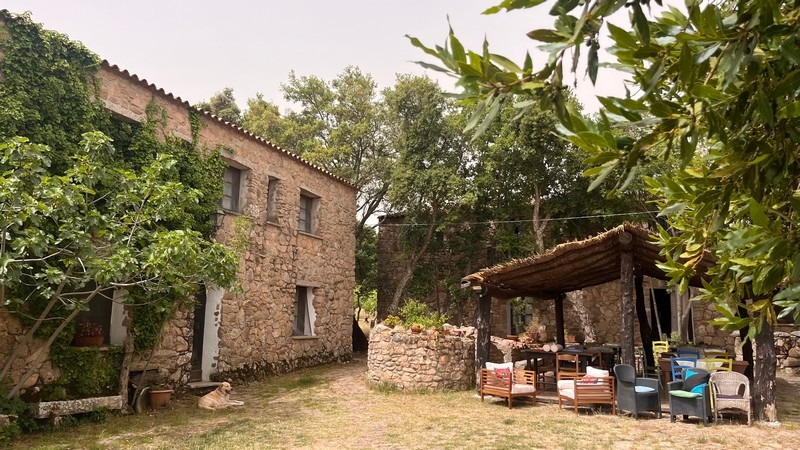
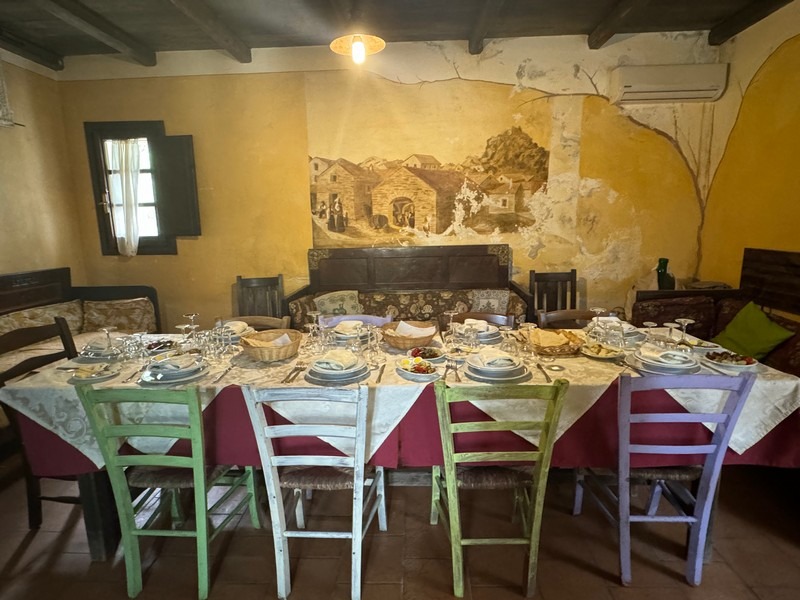
She guided me into a large room where a long table was already set for lunch. The smell reminded me of our gatherings at my grandmother’s in the countryside, big celebrations and meals that were prepared only for certain occasions.
Spontaneously, we started talking about the role of women back in the day and now. In Catalina’s family, a woman was (and remains) everything. Men respected them and used to say that without them there would be nothing. Today, men react strangely when they hear that she is a director. She is independent, creative and proudly keeps stories about her family alive.
You should come and stay, experience the life of these people who are isolated and self-sufficient. Over the winter, Catalina travels to distant countries where another life is lived. There is peace and strength in her. Pride and freedom. She chooses the script of her life that she’s in love with.
…
A piece of pecorino, young and old, sweet and slightly salty cheese, freshly made ricotta with a glass of wine and the smell of myrtle from the yard where people walk slowly and create a lot, every day, for centuries.